Professional Communal Area Cleaning for Safer, Fresher Shared Spaces
Communal area cleaning plays a vital role in keeping shared spaces safe, presentable, and comfortable for everyone who uses them. Whether in apartment blocks, office buildings, housing estates, schools, student accommodations, or commercial properties, clean communal areas create a strong first impression and support a healthier environment. From entrance halls and corridors to staircases, lifts, reception areas, and shared kitchens, these spaces experience constant foot traffic and require regular attention.
When communal area cleaning is done properly, it helps reduce dirt buildup, minimize unpleasant odors, and lower the spread of germs. It also contributes to the overall value and reputation of a property. Residents, visitors, employees, and customers all notice when shared spaces are well maintained. For property managers and building owners, investing in reliable communal area cleaning is not just about appearances; it is about safety, hygiene, and long-term care.
In many buildings, shared spaces are the first areas people see and the most frequently used. That makes communial area cleaning a practical necessity rather than a luxury. A consistent cleaning schedule can prevent wear and tear, protect surfaces, and create a more welcoming atmosphere. It also helps reduce complaints and improves satisfaction among occupants who expect a clean and orderly environment.
Why Communal Area Cleaning Matters
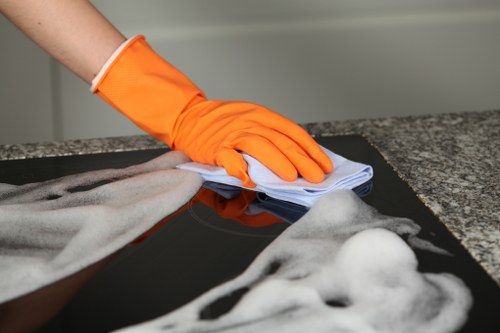
Communal area cleaning matters because shared spaces are exposed to a wide range of contaminants every day. Shoes bring in mud, dust, pollen, and debris. Hands touch railings, door handles, switches, and lift buttons repeatedly. Food crumbs, spills, packaging, and general waste can accumulate quickly in busy areas. Without regular cleaning, these spaces can become unhygienic and unpleasant.
A clean communal environment supports both health and comfort. This is especially important in apartment buildings and office blocks where many people pass through the same areas throughout the day. Shared area cleaning helps reduce allergens, remove bacteria from high-touch surfaces, and prevent the spread of illness. It also reduces slip risks caused by wet floors, litter, or residue.
There is also a visual and psychological benefit. People feel better in spaces that look neat, smell fresh, and feel cared for. Clean corridors, stairwells, and lobbies contribute to a positive atmosphere. When communal spaces are well maintained, occupants are more likely to respect them and keep them tidy.
Key Areas Covered in Communal Area Cleaning
Effective communal area cleaning covers more than just sweeping a floor. It requires attention to the full range of shared surfaces and fixtures that people interact with daily. Each building may have different needs, but the core areas are often similar.
- Entrance foyers and lobby areas
- Corridors and hallways
- Staircases and handrails
- Lifts and elevator buttons
- Door frames and push plates
- Reception and waiting spaces
- Shared kitchens and break rooms
- Bin storage and waste collection points
- Car parks and external walkways
These areas need regular dusting, vacuuming, mopping, sanitizing, and waste removal. In some properties, communal area cleaning also includes window cleaning, spot-cleaning walls, polishing fixtures, and disinfecting touchpoints. The exact cleaning plan should reflect the building’s size, traffic levels, and usage patterns.
For example, a residential block may need daily litter picking and weekly deep cleaning of stairwells, while a busy office building may require multiple cleans each day in reception and washroom-adjacent areas. The key is consistency. Regular communal area cleaning keeps spaces manageable and reduces the chance of more difficult cleaning issues later.
Benefits of Regular Communal Area Cleaning
There are many reasons why property managers and building owners prioritize communal area cleaning. The benefits extend far beyond surface-level appearance and can have a significant impact on safety, hygiene, and property value.
1. Better Hygiene
Shared spaces can harbor germs on frequently touched surfaces. Routine cleaning and sanitizing lower the risk of contamination and support a healthier environment for everyone.
2. Improved Safety
Spills, debris, and clutter can cause slips, trips, and falls. A well-organized cleaning schedule reduces these hazards and supports safer movement through the property.
3. Stronger First Impressions
Clean communal areas create a professional and welcoming appearance. This is important for visitors, tenants, employees, and potential buyers or renters.
4. Longer-Lasting Surfaces
Dust, grime, and moisture can wear down flooring, paint, fixtures, and fittings over time. Regular communal area cleaning helps preserve materials and avoid premature deterioration.
5. Higher Occupant Satisfaction
Residents and employees are more likely to feel comfortable in a well-kept environment. Clean shared spaces can contribute to better morale and a stronger sense of community.
Professional communal area cleaning is an investment in both appearance and long-term building care. It helps protect the property while making daily life more pleasant for everyone who uses it.
What a Professional Cleaning Routine Should Include
A successful communal area cleaning routine should be detailed, repeatable, and tailored to the property. It should account for high-traffic zones, seasonal issues, and building-specific needs. The most effective routines combine daily maintenance with periodic deep cleaning.
Daily Tasks
- Emptying waste bins
- Sweeping and vacuuming floors
- Mopping hard surfaces
- Wiping high-touch points
- Removing visible litter
- Checking entry mats for dirt buildup
Weekly Tasks
- Cleaning skirting boards and corners
- Dusting light fixtures and ledges
- Polishing glass and mirrors
- Sanitizing handrails and handles
- Spot-cleaning walls and doors
- Refreshing communal mats and rugs
Monthly or Periodic Tasks
- Deep cleaning staircases
- Machine scrubbing floors if needed
- Cleaning vents and difficult-to-reach surfaces
- High-level dust removal
- Detailed lift interior cleaning
- Inspecting for stains, wear, or damage
Not every property needs the same level of service, but each should have a cleaning plan based on use and traffic. A well-managed communal area cleaning schedule ensures no important task is overlooked.
Challenges in Communal Area Cleaning
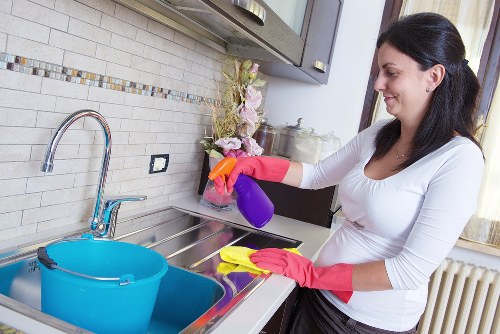
Cleaning communal spaces presents unique challenges because these areas are used by many people and often suffer constant re-soiling. Even after a thorough clean, dirt can return quickly due to foot traffic, weather conditions, and everyday use.
High Traffic and Frequent Reuse
One of the biggest challenges is the speed at which shared spaces become dirty again. Hallways, entrances, and stairwells may need attention several times a day in busy buildings. This is why professional communal area cleaning often relies on scheduled visits rather than occasional cleaning.
Different Types of Users
Shared areas may be used by residents, guests, contractors, delivery drivers, and staff. Each group brings different levels of dirt and different patterns of use. Cleaning teams must adapt to these variations while maintaining a consistent standard.
Weather-Related Dirt
Rain, snow, mud, and salt can quickly affect entrances and corridors. Seasonal changes often demand extra matting, more frequent vacuuming, and increased floor care. In winter, communal area cleaning may need to focus more heavily on slip prevention and moisture control.
Waste and Litter Control
Bin rooms, recycling points, and shared outdoor spaces can become difficult to maintain if waste management is not handled properly. Overflowing bins or poor disposal habits can create odor and pest issues. Keeping these areas clean is essential for the overall condition of the property.
Effective communal area cleaning is not only about removing dirt; it is also about anticipating recurring problems and stopping them before they grow.
Choosing the Right Communal Area Cleaning Service
When selecting a provider for communal area cleaning, it is important to look beyond price alone. The best service is one that understands the property, delivers reliable results, and communicates clearly with management and occupants. A good provider should be able to create a cleaning plan that suits the building’s needs.
What to Look For
- Experience with shared spaces – The team should have proven knowledge of apartments, offices, and other communal environments.
- Flexible scheduling – Cleaning times should fit the building’s occupancy and traffic patterns.
- Trained staff – Cleaners should know how to handle different surfaces, products, and health and safety requirements.
- Quality control – Regular inspections and clear reporting help maintain standards.
- Reliable communication – The provider should respond quickly to concerns, special requests, and changing needs.
It is also worth checking whether the service offers tailored packages. Some buildings only need basic maintenance, while others require more detailed communal area cleaning that includes periodic deep cleaning and specialist treatment for floors or glass.
Choosing a trusted provider helps ensure that the work is consistent and that shared spaces remain clean all year round. Professional communal area cleaning services can save time, reduce stress, and improve the day-to-day experience of everyone in the building.
How Communal Area Cleaning Supports Health and Wellbeing
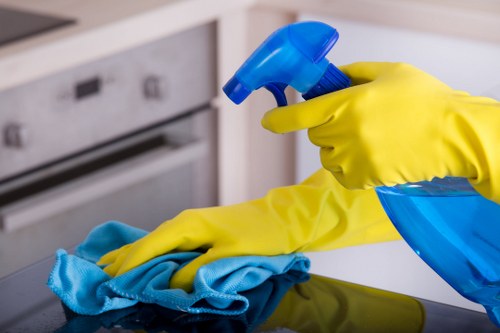
Clean shared spaces have a direct influence on health and wellbeing. Dust, mold, bacteria, and allergens can collect in communal areas if cleaning is neglected. This can affect people with asthma, allergies, or other sensitivities. Regular cleaning helps reduce these triggers and creates a more comfortable environment.
Touchpoint cleaning is especially important. Door handles, buttons, handrails, and switches are used constantly and can transfer germs from one person to another. A proper communal area cleaning plan includes frequent sanitizing of these surfaces to reduce the spread of illness.
Well-maintained communal spaces can also reduce stress. People generally feel calmer in tidy, organized environments. Cluttered, dirty, or poorly lit areas can create a sense of neglect, while clean areas feel safer and more welcoming. This is especially true in residential buildings, where occupants want to feel proud of their home environment.
There is a social benefit too. When communal spaces are clean, people are more likely to use them respectfully. That can lead to better community behavior, less littering, and more shared responsibility. Clean spaces often encourage cleaner habits.
Communal Area Cleaning in Different Property Types
Not all properties require the same approach. The right communal area cleaning strategy depends on the type of building and how it is used.
Residential Blocks
In apartment buildings, cleaning often focuses on lobbies, stairwells, lifts, corridors, bin rooms, and entrance mats. Residents expect these areas to be tidy, odor-free, and safe.
Office Buildings
In offices, communal area cleaning may include reception areas, lifts, shared kitchens, meeting-room corridors, and washroom-adjacent spaces. Presentation is especially important in client-facing environments.
Schools and Educational Buildings
These properties need careful cleaning of hallways, staircases, communal seating areas, and shared touchpoints. Hygiene is a top priority due to the number of people moving through the building every day.
Commercial and Mixed-Use Properties
Retail, hospitality, and mixed-use buildings often require a combination of public-facing presentation cleaning and practical maintenance cleaning. These spaces need to look attractive while also supporting heavy foot traffic.
Seasonal Considerations for Communal Area Cleaning
Seasonal changes can significantly affect the condition of communal areas. A strong cleaning plan takes these shifts into account so that the property remains in good condition throughout the year.
Winter
In colder months, communal area cleaning should focus on moisture control, salt residue, muddy footprints, and increased slip risks. Entry mats, floor drying, and frequent mopping become especially important.
Spring
Spring often brings pollen, dust, and more outdoor debris. This is a good time for deep cleaning, window cleaning, and refreshing areas that may have been affected by winter wear.
Summer
Warm weather can lead to more foot traffic, odors, and litter around entrances and waste points. Extra attention to ventilation, waste removal, and hygiene can help maintain comfort.
Autumn
Falling leaves, rain, and damp conditions mean more dirt enters shared areas. Cleaning teams should increase floor care and ensure entrances remain safe and presentable.
By adapting communal area cleaning to the seasons, property managers can prevent common problems before they become major issues. Seasonal planning is one of the simplest ways to improve cleaning results and reduce maintenance costs over time.
Best Practices for Better Results
To get the most from communal area cleaning, it helps to follow a few best practices. These improve consistency, reduce complaints, and keep the building looking its best.
- Use a written cleaning schedule for each area
- Prioritize high-touch points and entry zones
- Choose suitable products for each surface
- Train staff in safety and hygiene procedures
- Inspect work regularly and correct issues quickly
- Keep communication open with property management
- Adjust frequency based on traffic and seasonal needs
It is also useful to combine cleaning with preventative maintenance. For example, repairing damaged mats, improving lighting, or fixing leaks can make communal area cleaning easier and more effective. Cleaners can do more when the environment is well maintained.
Consistent communal area cleaning should be seen as part of a larger property care strategy. When cleaning, maintenance, and management work together, the result is a safer and more pleasant shared environment.
Why Routine Matters More Than Occasional Deep Cleaning
Some property owners assume that one-off deep cleans are enough. In reality, shared spaces require regular attention. Daily or scheduled maintenance prevents dirt from building up to the point where a deep clean becomes the only solution. Routine communal area cleaning is more cost-effective, more visible, and more reliable.
Frequent cleaning also makes it easier to notice small problems early. Stains, damage, pests, water ingress, and wear can all be spotted faster when the area is cleaned on a regular basis. That means fewer surprises and better long-term control.
If you want a cleaner, safer, and more attractive property, investing in structured communal area cleaning is a smart choice. Book your service now and keep your shared spaces looking their best. Contact us today to discuss a cleaning schedule that suits your building’s needs.
Final Thoughts on Communal Area Cleaning
Communal area cleaning is essential for maintaining the quality, safety, and appearance of shared properties. It protects health, supports positive first impressions, and helps buildings stay in better condition for longer. From residential blocks to office complexes, every shared environment benefits from a clear and consistent cleaning plan.
When communal spaces are cared for properly, everyone notices. Occupants feel more comfortable, visitors see a professional environment, and property managers gain peace of mind. With the right routine, the right team, and the right attention to detail, communal area cleaning becomes a practical foundation for better building management.
In the end, clean communal areas are more than just tidy spaces. They are a reflection of the standards, care, and responsibility behind the property. If your building needs reliable support, now is the right time to act. Book your service now and make communal area cleaning a priority.
communal area cleaning, covering benefits, routines, property types, seasonal needs, best practices, and CTAs.
Get In Touch With Us.
Please fill out the form below to send us an email and we will get back to you as soon as possible.