Deep Cleaning in the Modern Home: What It Is, Why It Matters, and How to Do It Right
Deep cleaning is more than a quick tidy-up. It is the kind of thorough cleaning that reaches the places daily routines often miss, helping homes feel fresher, healthier, and more comfortable. Whether you are preparing for a seasonal reset, moving in or out, or simply wanting a cleaner living space, deep cleaning can make a noticeable difference. Many people search for deep cleaning in their area because they want a result that goes beyond surface-level shine and into the hidden corners where dust, grime, and buildup accumulate.
A true deep cleaning service or a careful DIY deep clean focuses on detail. It addresses baseboards, vents, light fixtures, kitchen appliances, bathroom grout, under furniture, and other often-overlooked spaces. This kind of cleaning is valuable not only for appearances but also for hygiene, indoor air quality, and the overall comfort of the home. If your space feels dull, stuffy, or harder to maintain than usual, a structured deep cleaning routine can help restore order and freshness.
In this article, we will explore what deep cleaning includes, when it is needed, how it differs from regular cleaning, and how to plan it effectively. You will also learn practical strategies, room-by-room priorities, and ways to keep results lasting longer. If you are considering deep cleaning in your home, this content will help you understand the process and take the next step with confidence.
What Deep Cleaning Really Means
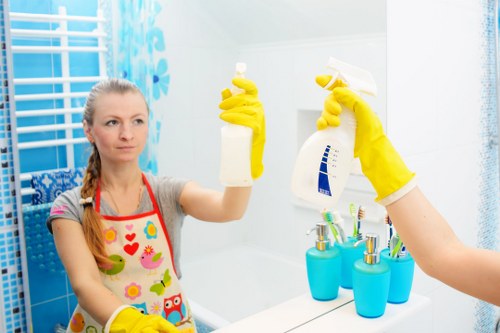
Deep cleaning is a detailed cleaning process designed to remove dirt, buildup, and bacteria from areas that are not usually covered in everyday cleaning. It includes the visible surfaces people notice right away, but it also extends to hidden and neglected spots. Think of it as a reset for your home. While regular cleaning keeps things manageable from week to week, deep cleaning restores a higher level of cleanliness.
Some homeowners think deep cleaning simply means spending more time cleaning the same spaces, but it is actually more targeted. The goal is to remove what has built up over time: grease in the kitchen, soap scum in bathrooms, dust behind furniture, stains in fabrics, and debris around edges and corners. A well-done deep cleaning in any room can transform the way the space looks and feels.
Another important part of deep cleaning is the attention to detail. Instead of wiping surfaces quickly, the process usually involves moving items, scrubbing carefully, disinfecting high-touch areas, and addressing problem zones. That is why many people choose a professional service when they want a truly thorough result. Still, with the right plan and tools, homeowners can handle a large portion of the work themselves.
Why Deep Cleaning Matters
There are many reasons why deep cleaning deserves a place in your home care routine. The most obvious is appearance. A freshly deep-cleaned home looks brighter, more organized, and more inviting. But the benefits go far beyond what guests notice. Dust, allergens, and grime can collect in areas that are not cleaned often, affecting air quality and overall comfort.
Deep cleaning is also important for maintenance. Dirt and residue can damage surfaces over time. For example, grease left on kitchen cabinets can become harder to remove later, and soap buildup in showers can dull tile and grout. Regular deep cleaning helps preserve materials and reduce costly repairs or replacements.
Health is another major reason people prioritize deep cleaning in homes, apartments, and shared living spaces. When high-touch areas are sanitized properly and hidden dust is removed, the environment becomes more comfortable for children, seniors, allergy sufferers, and anyone sensitive to indoor irritants. If you want a space that supports better living, deep cleaning is a smart investment.
Key benefits at a glance
- Improves overall cleanliness and freshness
- Reduces dust, allergens, and buildup
- Helps protect surfaces and fixtures
- Makes regular cleaning easier afterward
- Supports a healthier indoor environment
Deep Cleaning vs Regular Cleaning
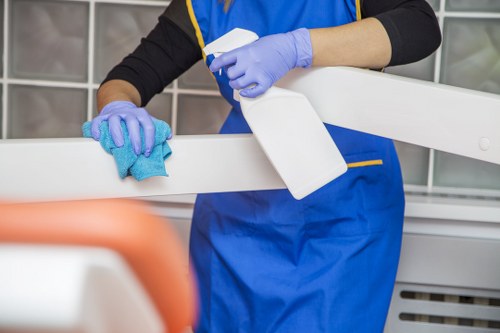
One of the most common questions people ask is how deep cleaning differs from regular cleaning. The answer lies in scope, detail, and frequency. Regular cleaning usually includes routine tasks such as vacuuming, wiping counters, taking out trash, and cleaning bathrooms on a basic level. These tasks are essential, but they do not reach every hidden corner or stubborn buildup area.
Deep cleaning, on the other hand, is more extensive. It often includes scrubbing tile grout, cleaning behind appliances, washing baseboards, dusting ceiling fans, disinfecting switches and handles, and washing fabric items or removable covers. It can take several hours or even a full day depending on the size of the space and how long it has been since the last deep clean.
Another major difference is frequency. Many homes need regular cleaning weekly, while deep cleaning in the same space may only be needed seasonally, monthly in high-use areas, or before important events. The right schedule depends on lifestyle, household size, pets, and how quickly dirt accumulates.
Simple comparison
- Regular cleaning: surface maintenance and quick upkeep
- Deep cleaning: detailed, thorough, and restorative
- Regular cleaning: done frequently
- Deep cleaning: done less often but more intensively
When You Should Schedule Deep Cleaning
There is no single rule for every home, but certain situations clearly call for deep cleaning. Seasonal transitions are a popular time because they provide a natural reset. Spring and fall are especially common periods for deep cleaning in many households. A seasonal deep clean helps remove dust and clutter that may have built up during busy months.
Moving is another major reason to deep clean. Whether you are moving into a new home or preparing to leave one, deep cleaning creates a fresh start and improves the condition of the space for the next occupant. Many renters and homeowners also schedule a deep clean before hosting gatherings, holiday celebrations, or special events where a polished home matters.
You may also need deep cleaning in response to specific circumstances. For example, after renovation work, pet shedding seasons, illness, long periods of inactivity, or a hectic stretch where routine cleaning has fallen behind, a more intensive approach becomes necessary. If your home looks clean on the surface but still feels dusty or sticky, it is likely time for deep cleaning.
Common signs it is time
- Persistent dust around vents, trim, and corners
- Bathroom buildup on grout, tiles, or fixtures
- Kitchen grease on cabinets and appliances
- Musty or stale indoor odors
- Allergy symptoms that worsen indoors
Room-by-Room Deep Cleaning Priorities
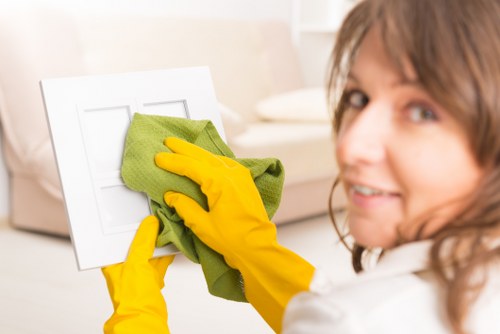
Every room in a home benefits from deep cleaning, but each space has its own priorities. Kitchens need degreasing, bathrooms need sanitizing and descaling, bedrooms need dust removal and fabric care, and living spaces need attention to surfaces and hidden dust. A room-by-room strategy helps ensure nothing important gets missed.
In the kitchen, focus on areas that collect grease and food residue. Clean inside and outside appliances, wipe cabinet fronts, scrub sinks, and sanitize counters. Do not forget the tops of cabinets, behind the stove, and the inside of the microwave. Kitchen deep cleaning is one of the most impactful tasks because it directly affects hygiene and daily comfort.
In bathrooms, deep cleaning should target soap scum, mildew, limescale, and bacteria. Pay close attention to shower doors, grout lines, faucets, drains, toilets, and under-sink areas. A bathroom deep clean can dramatically improve how fresh the entire home feels. If you are handling deep cleaning in a bathroom, detail matters more than speed.
Bedroom and living area focus
- Vacuum under beds and furniture
- Dust lamps, fans, and blinds
- Wash bedding, throws, and cushion covers
- Clean baseboards and corners
- Declutter surfaces before detailed cleaning
Tools and Supplies That Make Deep Cleaning Easier
The right tools can make deep cleaning more efficient and less exhausting. While you do not need an overly complicated setup, having effective supplies on hand will save time and improve results. A microfiber cloth, scrub brushes, vacuum with attachments, mop, bucket, and quality cleaner are the foundation of many successful cleaning routines.
Depending on the surfaces in your home, you may also need specialized products. Glass cleaner works well for windows and mirrors, degreaser helps in kitchens, disinfectant supports sanitary cleaning in high-touch zones, and descaling products can be useful in bathrooms. When planning deep cleaning in a home with multiple surface types, it helps to choose products that match each material.
Using the right tools also reduces effort. A vacuum with a crevice attachment can reach baseboards and edges more effectively than sweeping alone. Microfiber cloths trap dust instead of spreading it around. And a good scrub brush can save time when dealing with stubborn residue. For people who deep clean often, investing in durable, reusable tools is a practical choice.
Helpful supplies checklist
- Microfiber cloths and dusters
- Vacuum cleaner with attachments
- Mop, bucket, and floor cleaner
- Scrub brushes and sponges
- Glass cleaner and disinfectant
- Degreaser and bathroom cleaner
- Trash bags and storage bins for decluttering
How to Prepare for a Successful Deep Clean
Preparation makes deep cleaning much smoother. Before you start, declutter each room so surfaces are easier to access. Remove items from counters, tables, floors, and shelves. When a room is clear, you can clean more thoroughly and avoid moving the same objects repeatedly.
Create a plan before you begin. Decide whether you want to deep clean one room at a time or tackle the whole home in stages. Many people find it easier to focus on one zone fully before moving to the next. This approach keeps the work organized and prevents the process from becoming overwhelming. If you are doing deep cleaning in a large space, structure is essential.
It also helps to gather supplies in advance and set realistic expectations. A proper deep clean takes time, especially if the home has not been addressed in a while. Start with the most heavily used rooms, or begin with the area that bothers you most. Breaking the work into manageable sections makes the process feel more achievable and less stressful.
Preparation steps
- Declutter visible surfaces and floors
- Gather all cleaning tools and products
- Open windows if ventilation is needed
- Choose a room-by-room order
- Set aside enough time for detailed work
Deep Cleaning Techniques That Deliver Better Results

Effective deep cleaning is not just about effort; it is about technique. One of the best methods is to clean from top to bottom. Start with ceiling fans, shelves, and upper surfaces so dust falls downward, then finish with floors. This approach prevents you from re-cleaning areas and helps you work more efficiently.
Another useful technique is to let cleaners sit for a short time on stubborn spots before scrubbing. This is especially helpful with soap scum, grease, or dried spills. A few minutes of dwell time can make a major difference. When doing deep cleaning in kitchens and bathrooms, patience often improves results more than aggressive scrubbing alone.
Work slowly enough to be thorough, but not so slowly that you lose momentum. Use circular motions for grime, straight strokes for glass, and targeted tools for corners and edges. And always check areas twice before moving on. A detailed pass now prevents buildup from becoming a bigger task later.
Smart technique reminders
- Top to bottom is the safest method
- Allow cleaner to work before scrubbing
- Use the correct tool for each surface
- Check hidden spots like behind doors and under furniture
- Dry surfaces properly to prevent streaks or water marks
How Often Should Deep Cleaning Be Done?
The ideal frequency for deep cleaning depends on the home and the people living in it. A family with children, pets, or frequent guests may need a more regular deep-cleaning schedule than a single-person household. Kitchens and bathrooms often need the most frequent attention because they collect residue, moisture, and bacteria faster than other rooms.
Many households benefit from seasonal deep cleaning, which means about four times a year. However, some spaces may need more frequent attention. High-traffic areas may need monthly detail work, while storage rooms and guest rooms may only need deep cleaning a few times per year. If you notice buildup, odors, or dust returning quickly, adjust the schedule accordingly.
For anyone looking into deep cleaning in a rented home, apartment, or office space, the schedule may also depend on lease requirements, occupancy changes, or building standards. The key is consistency. Even if you cannot deep clean everything at once, maintaining a regular cycle will make each session easier and more effective.
Should You Hire a Professional Deep Cleaning Service?
Many people enjoy handling part of their own home care, but there are times when a professional deep cleaning service makes sense. If you are short on time, dealing with a large property, or need exceptional detail for a move, event, or seasonal refresh, professionals can save hours and deliver polished results. They often bring specialized equipment, stronger products, and an efficient system.
Hiring experts is also helpful when the cleaning challenge is more demanding than usual. Heavy buildup, post-renovation dust, long-ignored areas, and hard-to-reach locations may require experience and the right tools. In these situations, deep cleaning in the home can become much less stressful when a trained team handles the work.
That said, professional help is not the only solution. Many homeowners choose a mix of DIY upkeep and occasional professional deep cleaning. This balance can be cost-effective and practical. The decision depends on your budget, time, and how detailed you want the final result to be. If you need support, book your service now and enjoy the peace of mind that comes with a truly refreshed space.
When professional help is especially useful
- Before or after a move
- After renovation or construction
- For busy households with limited time
- When buildup is extensive
- When you want a highly detailed result
Keeping Your Home Cleaner After Deep Cleaning
The best way to protect the results of deep cleaning is to build simple habits into your weekly routine. Small actions prevent dirt from building up again and reduce the need for constant heavy cleaning. Wiping spills immediately, vacuuming high-traffic areas, and doing a quick bathroom reset can go a long way.
Organization also helps. When items have a place, surfaces stay clearer, and cleaning becomes easier. This is especially important in spaces like kitchens, entryways, and family rooms. If you have just invested time or money into deep cleaning in your home, keeping clutter under control will help preserve the results for much longer.
A good rule is to treat deep cleaning as a foundation rather than a one-time event. After the big work is done, focus on small maintenance tasks. That approach keeps your home comfortable, reduces stress, and makes future cleaning sessions much faster. If you want lasting cleanliness, consistency matters more than occasional bursts of effort.
Maintenance habits that help
- Wipe counters and sinks daily
- Vacuum or sweep high-traffic areas often
- Use doormats to reduce tracked-in dirt
- Put items back after use
- Address spills and stains immediately
Final Thoughts on Deep Cleaning
Deep cleaning is one of the most effective ways to improve a home’s comfort, appearance, and hygiene. It reaches beyond the obvious surfaces and addresses the buildup that regular cleaning often leaves behind. Whether you handle it yourself or choose professional help, deep cleaning can make your space feel renewed and easier to maintain.
When done well, deep cleaning in a home is not just about removing dirt. It is about creating a healthier, more organized, and more pleasant place to live. From kitchens and bathrooms to bedrooms and living spaces, every room benefits from thoughtful attention. With the right plan, tools, and timing, you can turn a difficult cleaning task into a manageable routine.
If your home is ready for a reset, now is the time to act. Start with one room, gather your supplies, and make a plan that fits your schedule. And if you want a faster, more detailed result, Contact us today or book your service now to take the next step toward a fresher home.