Regular Cleaning in Homes and Workspaces: Why It Matters More Than You Think
Regular cleaning is one of the simplest habits that can dramatically improve the appearance, hygiene, comfort, and overall value of any space. Whether you manage a busy household, maintain a commercial office, or oversee a shared property, regular cleaning plays a central role in creating a healthier environment. It reduces clutter, removes dust and allergens, supports better organization, and helps surfaces last longer. In many cases, consistent cleaning also lowers stress because a tidy setting makes daily routines feel more manageable.
People often think of cleaning as a one-time task or something to do only when a space looks messy. In reality, regular cleaning is a preventative strategy. When dirt, bacteria, grease, and grime are addressed early, they are much easier to remove. This is why routine upkeep is so valuable in kitchens, bathrooms, offices, retail areas, schools, and rental properties. A consistent schedule can save time, money, and effort while also improving first impressions for guests, employees, and clients.
Another important benefit of regular cleaning is the impact it has on well-being. Dust buildup, mold spores, and poor sanitation can contribute to respiratory discomfort, allergies, and unpleasant odors. A consistent routine helps minimize these issues and creates a space that feels fresher and more comfortable. From polished floors to disinfected touchpoints, regular cleaning supports both visual appeal and long-term maintenance.
What Regular Cleaning Really Means
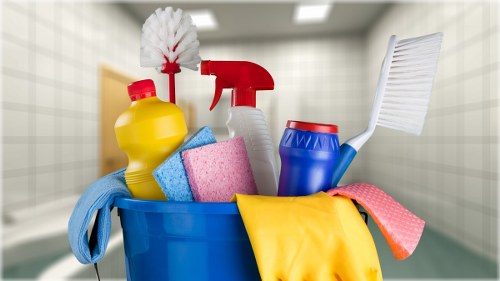
Regular cleaning refers to recurring cleaning tasks performed on a daily, weekly, or scheduled basis to maintain a space in good condition. It includes actions like dusting, sweeping, vacuuming, sanitizing, wiping surfaces, and removing trash. Unlike deep cleaning, which targets built-up grime and hard-to-reach areas, routine cleaning focuses on keeping a property consistently clean and orderly.
In a home, regular cleaning might include wiping countertops, making beds, cleaning sinks, and mopping floors. In an office or commercial setting, it can include sanitizing desks, emptying bins, cleaning restrooms, and maintaining common areas. The key is consistency. Even a few minutes each day can make a significant difference when tasks are handled regularly instead of being postponed.
Many property owners underestimate how much effort they can save through consistent upkeep. Dirt does not wait politely; it spreads, settles, and accumulates. That is why regular cleaning is not just about appearance. It is a practical system for protecting surfaces, preserving indoor air quality, and preventing the need for more intensive restoration later.
Why Regular Cleaning Is Essential for Every Space

One of the biggest advantages of regular cleaning is hygiene. Germs can spread quickly on shared surfaces such as doorknobs, countertops, light switches, and handrails. Routine sanitation reduces the risk of contamination and helps create safer conditions for everyone in the space. This is especially important in environments where multiple people interact throughout the day.
Another major reason regular cleaning matters is visual appeal. A clean environment feels more inviting, more professional, and more organized. When a home or workplace looks cared for, it naturally creates a positive impression. For businesses, this can influence how customers perceive the brand. For homeowners, it can make daily life feel calmer and more enjoyable.
Regular cleaning also extends the life of fixtures, furniture, and finishes. Dust can scratch delicate surfaces, grease can damage appliances, and moisture can lead to stains or deterioration. By addressing messes quickly, you protect your investment and reduce the likelihood of expensive repairs or replacements.
Health and Comfort Benefits
Clean spaces are easier to breathe in, easier to move through, and easier to enjoy. People with allergies or sensitivities often notice immediate relief in spaces that are maintained regularly. Removing dust, pet dander, and debris supports a healthier indoor atmosphere. In addition, a tidy environment reduces mental clutter, which can improve concentration and reduce stress.
Core Areas That Need Regular Cleaning

Some parts of a property require extra attention because they collect dirt quickly or are touched frequently. These areas should be prioritized in any regular cleaning routine to keep the entire space fresh and functional.
High-Touch Surfaces
High-touch surfaces include handles, switches, remotes, railings, keyboards, phones, and shared equipment. These are among the most important items to clean frequently because they can transfer germs easily. Wiping them regularly with appropriate cleaning products helps reduce buildup and supports better sanitation.
Kitchens
Kitchens tend to collect grease, crumbs, spills, and bacteria faster than most other rooms. Regular cleaning in the kitchen should include countertops, sinks, stovetops, cabinet handles, and appliance exteriors. Keeping these areas clean is important not only for appearance but also for food safety and odor control.
Bathrooms
Bathrooms need consistent care because they are exposed to moisture and frequent use. Toilets, sinks, showers, mirrors, and floors should be cleaned on a regular schedule to prevent stains, soap scum, and bacteria buildup. Good bathroom cleaning also helps control mildew and unpleasant smells.
Floors and Entryways
Floors gather dust, dirt, and debris from daily foot traffic. Entryways can be especially challenging because they bring outdoor mess into the property. Sweeping, vacuuming, and mopping regularly keeps floors safe, attractive, and easier to maintain over time.
Creating a Practical Regular Cleaning Routine

A successful regular cleaning routine does not have to be complicated. In fact, the best systems are usually simple, realistic, and repeatable. The goal is to make maintenance manageable so that tasks do not pile up and become overwhelming. A structured plan can be adapted for homes, offices, rental units, and shared facilities.
Start by identifying the most used areas and the tasks that need to happen daily, weekly, and monthly. Then assign those tasks to specific days or times. This approach prevents overlap, reduces confusion, and helps build consistency. It is often easier to maintain cleanliness in small increments than to attempt a major cleanup after everything has accumulated.
For example, a daily routine might include wiping kitchen counters, loading dishes, tidying common spaces, and emptying trash. Weekly tasks may involve vacuuming carpets, mopping floors, cleaning bathrooms, and dusting furniture. Monthly tasks can focus on baseboards, vents, windows, and neglected corners. This layered approach makes regular cleaning more effective and easier to sustain.
Helpful Routine Tips
- Keep cleaning supplies easy to access in key areas.
- Break tasks into short sessions instead of doing everything at once.
- Focus on high-use spaces first.
- Use a checklist to track progress and avoid missed areas.
- Rotate deeper tasks so they do not become forgotten.
The Difference Between Regular Cleaning and Deep Cleaning
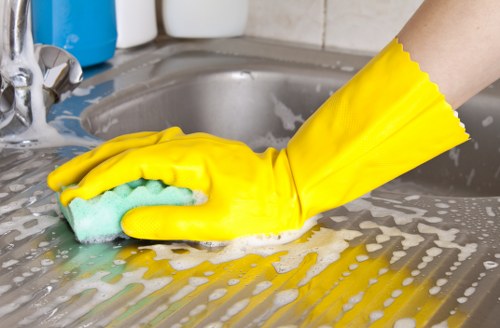
Although people often use the terms interchangeably, regular cleaning and deep cleaning are not the same. Regular cleaning keeps a space tidy and sanitary through ongoing maintenance. Deep cleaning goes further by targeting hidden dirt, buildup, and neglected areas that are not addressed as often.
For instance, routine cleaning may involve wiping the outside of appliances, while deep cleaning would include moving items, scrubbing behind them, and removing grime from less visible areas. Regular cleaning is the foundation; deep cleaning is the extra layer of care that restores a space more thoroughly.
Both are important, but regular cleaning is what makes deep cleaning less stressful and less frequent. When a property is maintained consistently, deep cleaning becomes faster, easier, and more effective. In other words, ongoing upkeep prevents problems from reaching the point where they demand major intervention.
When to Schedule Deep Cleaning
It is helpful to schedule deep cleaning periodically, especially in areas with heavy use, seasonal changes, or special events. Many people choose to deep clean every few months or as needed after renovations, guest visits, or busy periods. Still, the everyday benefits of regular cleaning are what keep the space in shape between those sessions.
Regular Cleaning in Homes: Building a Better Living Environment
In residential settings, regular cleaning improves everyday life in ways that are both obvious and subtle. A clean home feels calmer, more welcoming, and easier to enjoy. It also supports family routines by making it simpler to find items, prepare meals, and move through the day without unnecessary stress.
Bedrooms, living rooms, kitchens, bathrooms, laundry areas, and hallways all benefit from consistent attention. Dusting shelves, vacuuming upholstery, sanitizing bathrooms, and keeping clutter under control can dramatically improve the atmosphere of a home. These tasks do not need to be elaborate to be effective. What matters most is staying consistent.
Families with children or pets often find that regular cleaning is especially important. Toys, fur, spills, and fingerprints can make a home messy quickly, so small daily habits are essential. Even simple actions like putting items back in place and wiping down surfaces can preserve order and reduce the time needed for larger cleaning sessions.
Benefits for Families
Regular cleaning helps families by creating safer and more organized surroundings. It can reduce tripping hazards, limit allergens, and support healthier routines. It also teaches children the value of responsibility and personal care when cleaning becomes part of normal life.
Simple Home Maintenance Habits
- Put away items immediately after use.
- Wipe spills as soon as they happen.
- Set aside a few minutes each evening for tidying.
- Rotate chores among household members.
- Keep a small caddy of essentials for quick touch-ups.
Regular Cleaning in Workplaces: Productivity Starts with Order
Work environments benefit enormously from regular cleaning. Offices, stores, clinics, and other business spaces experience heavy foot traffic and repeated use throughout the day. Without routine maintenance, dust, clutter, and germs can build up quickly, making the environment less pleasant and less productive.
A clean workplace helps employees stay focused and feel more comfortable. It also reinforces a sense of professionalism. Clients and visitors often notice when a business is tidy, organized, and well maintained. That impression can influence trust, satisfaction, and the overall perception of the company.
Regular maintenance in workplaces often includes sanitizing desks, emptying waste bins, vacuuming carpets, cleaning glass surfaces, and maintaining restrooms. Shared kitchens and conference areas also need close attention. When these spaces are cleaned consistently, they support smoother operations and a better daily experience for staff and guests.
Why Businesses Should Prioritize Routine Upkeep
Businesses that invest in regular cleaning often see benefits beyond appearance. Cleaner environments can reduce absenteeism, minimize complaints, and protect equipment from dirt-related wear. They can also support compliance in settings where sanitation matters for safety and customer confidence.
Choosing the Right Cleaning Approach for Different Needs
Not every property needs the same cleaning strategy. The best regular cleaning plan depends on traffic, layout, usage, and specific hygiene concerns. For a small apartment, simple daily tidying and weekly cleaning may be enough. For a busy office or retail location, more frequent attention may be necessary.
High-traffic environments usually require more frequent disinfection and floor care. Spaces with children, pets, food preparation, or public access may also need stronger routines. Seasonal factors can matter too. For example, rainy weather may bring in mud and debris, while winter may increase salt, dust, and indoor buildup.
Customization is the key to success. A cleaning routine should match the reality of the space instead of following a rigid schedule that is too demanding or too light. When the plan fits the environment, regular cleaning becomes more sustainable and more effective.
Questions to Ask When Planning
- Which areas are used the most?
- What gets dirty fastest?
- Are there sanitation concerns that require extra attention?
- Who will be responsible for each task?
- How often should tasks be repeated?
Tools and Supplies That Make Regular Cleaning Easier
Having the right supplies on hand can make regular cleaning quicker and less frustrating. Basic products such as microfiber cloths, all-purpose cleaner, disinfectant, vacuum tools, mops, trash bags, sponges, and scrub brushes can cover most everyday needs. Organized storage also saves time because supplies are easy to locate.
Microfiber cloths are especially useful because they trap dust and reduce streaking. A dependable vacuum helps with carpets, rugs, and upholstery. Disinfectant wipes work well on high-touch surfaces, while a good mop and bucket are essential for hard floors. By keeping a well-stocked cleaning kit, you remove barriers that can make routines harder to maintain.
It is also worth selecting products that suit the surfaces in your home or workplace. Using the wrong solution can damage finishes or leave residue behind. Smart product selection makes regular cleaning more efficient and helps protect the materials you are trying to preserve.
Smart Supply Checklist
- Microfiber cloths and reusable dusters
- Vacuum cleaner with attachments
- Mop and floor-safe cleaner
- Disinfecting wipes or sprays
- Sponges, scrub pads, and brushes
- Trash bags and storage bins
How Regular Cleaning Supports Long-Term Value
One of the most overlooked advantages of regular cleaning is long-term preservation. Surfaces, fixtures, and furnishings last longer when they are cleaned before dirt and moisture can cause damage. That means carpets stay fresher, flooring looks better, appliances function more reliably, and furniture maintains its appearance for longer.
For property owners, this can translate into real financial value. A well-kept home often holds appeal more effectively than one that has been allowed to deteriorate. Businesses also benefit because a clean setting supports customer confidence and reduces the likelihood of costly upkeep caused by neglect.
Routine care is an investment, not just a chore. Even small habits create compound benefits over time. A few minutes spent on regular cleaning each day can prevent hours of corrective work later. That is why consistent upkeep is one of the smartest things you can do for any space.
Long-Term Payoffs
When cleaning becomes regular, the results accumulate. You may notice fewer odors, less dust, easier maintenance, and better organization. More importantly, the space becomes easier to enjoy and simpler to manage. That is the real power of consistency.
When to Seek Professional Support
While many routine tasks can be handled personally, there are times when professional help makes sense. Large properties, commercial spaces, post-event cleanup, and specialized sanitation needs may require extra support. Professional services can also assist when schedules are busy or when a space needs a reset after months of limited upkeep.
Hiring help does not replace regular cleaning; it strengthens it. Professionals can handle more detailed tasks, provide the right equipment, and help maintain standards that are difficult to achieve alone. This is especially useful in environments where cleanliness is tied to reputation, health, or operational efficiency.
When you are considering outside support, look for consistency, reliability, and attention to detail. The best results come from combining everyday care with occasional expert maintenance. If your schedule is full or your property needs more attention, book your service now and make upkeep easier to manage.
Signs It May Be Time for Help
- Cleaning tasks keep piling up.
- High-traffic areas are hard to maintain.
- Deep cleaning has been delayed for too long.
- Special sanitation needs are becoming more frequent.
- You want a cleaner space without the stress of doing everything yourself.
If your goal is to protect your space, save time, and enjoy better results, contact us today to take the next step toward a cleaner environment.
Final Thoughts on the Value of Regular Cleaning
Regular cleaning is far more than a household duty or an office obligation. It is a practical habit that protects health, improves comfort, supports productivity, and helps spaces last longer. Whether you are keeping a home organized or maintaining a busy commercial property, consistency is what turns cleaning from a burden into an effective system.
The most successful approach is one that is realistic, repeatable, and suited to the space itself. By focusing on high-use areas, using the right supplies, and staying on schedule, you can make maintenance easier and more effective. Over time, those efforts create a cleaner, safer, and more welcoming environment for everyone who enters.
In the end, the value of regular cleaning shows up in many ways: fewer messes, better hygiene, improved appearance, and less stress. It is a simple practice with powerful results, and it remains one of the most reliable ways to keep any property in top condition.
Take action today and make cleanliness a consistent priority. Whether you handle it yourself or plan to book your service now, the benefits of regular upkeep are always worth it.